What Is Travel Insurance?
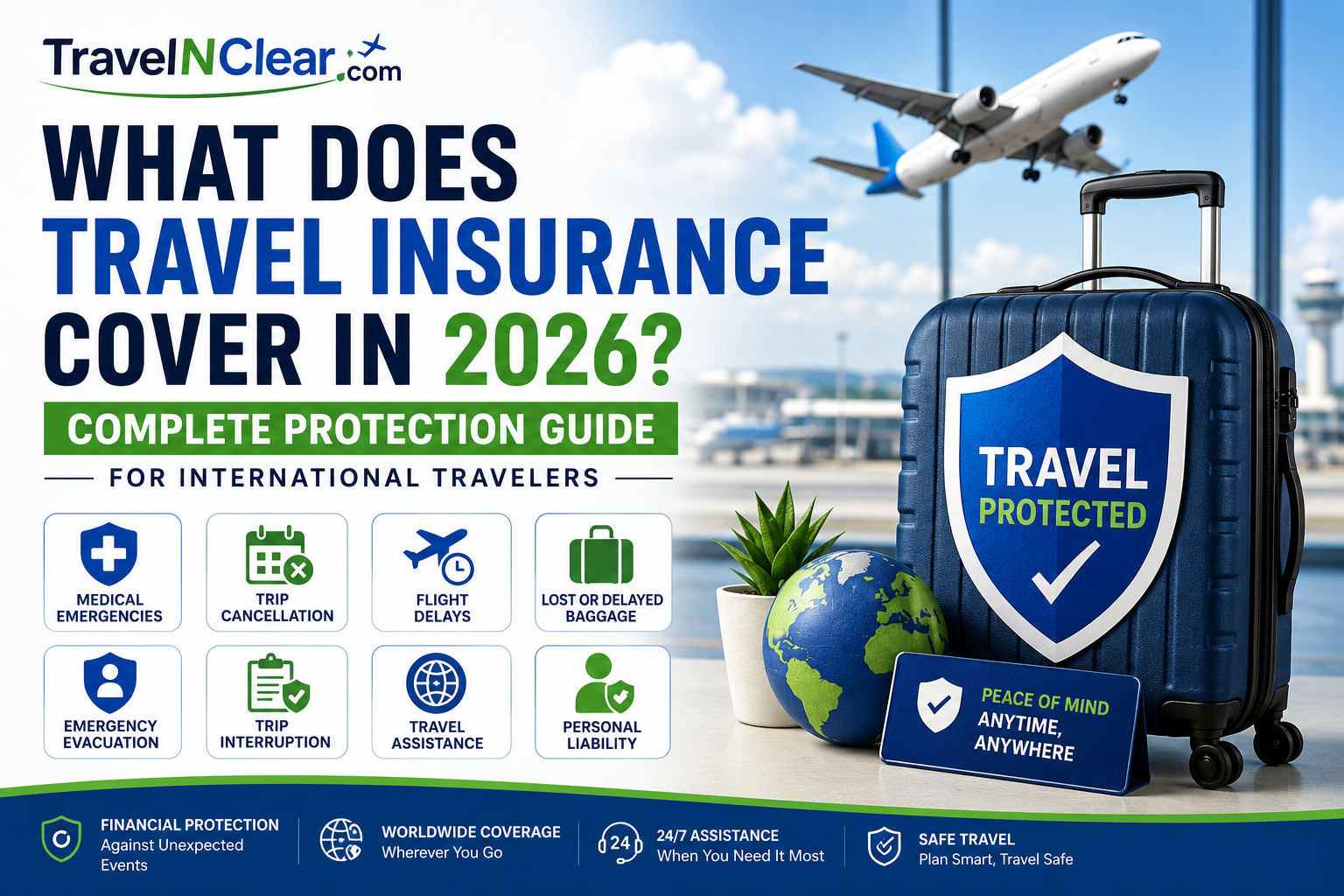
Travel insurance is a financial protection policy designed to help travelers manage unexpected situations that may occur before or during a trip. Depending on the policy, travel insurance can provide coverage for medical emergencies, trip cancellations, flight delays, baggage problems, emergency evacuations, and other travel-related disruptions.
Instead of paying significant out-of-pocket expenses when something goes wrong, travelers may receive reimbursement or assistance for eligible covered events.
For international travelers, travel insurance has become one of the most important parts of trip planning because healthcare costs, transportation disruptions, and emergency situations abroad can be expensive and difficult to manage without proper protection.
Why Travel Insurance Matters in 2026
International travel continues to grow, but so do the risks associated with flight disruptions, medical emergencies, lost baggage, and changing travel requirements.
Many experienced travelers now consider travel insurance an essential travel expense rather than an optional add-on. A single unexpected event can result in costs far exceeding the price of an insurance policy.
Travel insurance provides both financial protection and peace of mind, allowing travelers to focus on enjoying their trips instead of worrying about potential disruptions.
What Does Travel Insurance Usually Cover?
Coverage varies by provider and policy, but most comprehensive travel insurance plans include several core protection areas.
| Coverage Type | Usually Covered |
|---|---|
| Medical Emergencies | Yes |
| Hospitalization | Yes |
| Trip Cancellation | Yes |
| Flight Delays | Often |
| Lost Baggage | Often |
| Emergency Evacuation | Often |
Travelers should always review policy documents carefully because coverage limits, exclusions, and reimbursement rules can differ between providers.
Medical Emergency Coverage
Medical coverage is often considered the most important component of travel insurance. Healthcare expenses can be extremely expensive for international visitors, especially in countries where tourists do not qualify for public healthcare benefits.
Many policies may cover:
- Emergency Doctor Visits
- Hospitalization
- Emergency Surgery
- Prescription Medication
- Diagnostic Testing
- Ambulance Transportation
Travelers visiting destinations with high healthcare costs should pay particular attention to medical coverage limits when selecting a policy.
Trip Cancellation and Interruption Protection
Trips are sometimes disrupted by illness, family emergencies, severe weather, transportation problems, or other unexpected events.
Trip cancellation coverage may help reimburse eligible prepaid expenses when a trip must be canceled before departure for covered reasons.
Trip interruption coverage may provide protection when travelers must cut a trip short after departure due to unexpected circumstances.
Travelers planning European trips can also review coverage requirements through the Schengen Travel Insurance Guide.
Flight Delays and Travel Disruption Coverage
Flight delays are among the most common travel disruptions experienced by international travelers. Severe weather, airport congestion, airline operational issues, and security procedures can all affect departure and arrival schedules.
Many travel insurance policies provide reimbursement for eligible expenses when delays exceed a specified waiting period.
Covered expenses may include:
- Hotel Accommodation
- Meals and Refreshments
- Transportation Costs
- Essential Personal Purchases
- Alternative Travel Arrangements
Coverage conditions vary by policy, so travelers should review waiting periods and reimbursement limits carefully before purchasing coverage.
Lost, Stolen, or Delayed Baggage Coverage
Baggage problems can create significant inconvenience during travel. Travel insurance may provide protection when luggage is lost, stolen, damaged, or delayed by airlines or transportation providers.
Many policies offer reimbursement for essential items purchased while waiting for delayed baggage, helping travelers continue their trips without major disruptions.
Coverage may apply to:
- Clothing
- Toiletries
- Personal Necessities
- Travel Accessories
- Eligible Lost Items
Travelers should keep receipts and documentation because insurers often require evidence when processing baggage-related claims.
Emergency Evacuation and Assistance Services
Emergency evacuation benefits can be particularly valuable for travelers visiting remote locations or destinations with limited medical infrastructure.
Depending on the policy, coverage may help arrange and pay for emergency transportation to an appropriate medical facility when adequate treatment is unavailable locally.
Many insurers also provide 24-hour emergency assistance services that can help travelers:
- Locate Medical Facilities
- Arrange Emergency Transportation
- Coordinate Medical Care
- Replace Lost Travel Documents
- Access Emergency Support Services
These services can be especially helpful when dealing with emergencies in unfamiliar countries.
Real Travel Insurance Example
The following example illustrates the type of protection a traveler may obtain through a comprehensive policy.
| Item | Example |
|---|---|
| Destination | France |
| Trip Length | 14 Days |
| Policy Cost | $55 |
| Medical Coverage | $100,000 |
| Baggage Coverage | $1,500 |
| Delay Coverage | Included |
Actual policy prices and coverage limits vary depending on destination, traveler age, trip duration, and insurer.
Medical Coverage vs Trip Protection
Many travelers assume all travel insurance benefits are identical, but medical protection and trip protection serve different purposes.
| Feature | Medical Coverage | Trip Protection |
|---|---|---|
| Emergency Treatment | Yes | No |
| Hospitalization | Yes | No |
| Trip Cancellation | No | Yes |
| Travel Delays | No | Yes |
| Lost Baggage | No | Yes |
Understanding these differences helps travelers choose policies that provide the protection most relevant to their travel needs.
What Travel Insurance Usually Does NOT Cover
Travel insurance provides valuable protection, but it does not cover every situation. Most policies contain exclusions and limitations that travelers should understand before purchasing coverage.
| Situation | Often Excluded |
|---|---|
| Pre-Existing Medical Conditions | Sometimes |
| High-Risk Activities | Often |
| Undeclared Medical Issues | Yes |
| Illegal Activities | Yes |
| Known Events Before Purchase | Often |
Reading policy exclusions carefully is one of the most important steps in selecting suitable travel insurance.
Common Travel Insurance Claim Mistakes
Many travelers purchase travel insurance but encounter difficulties when submitting claims because important policy requirements were overlooked.
Understanding common claim mistakes can help improve the likelihood of a smoother claims process.
| Mistake | Potential Impact |
|---|---|
| Failing to Keep Receipts | Claim Delays or Rejection |
| Reporting Incidents Late | Reduced Claim Eligibility |
| Ignoring Policy Exclusions | Claim Denial |
| Providing Incomplete Documentation | Additional Verification Requests |
| Not Reading Coverage Limits | Unexpected Out-of-Pocket Costs |
Maintaining organized records and reviewing policy requirements before travel can help travelers avoid many of these issues.
How to Choose the Right Travel Insurance Policy
Not all travel insurance policies provide the same level of protection. Travelers should compare policies based on destination, trip length, planned activities, and personal risk factors.
Important factors to evaluate include:
- Medical Coverage Limits
- Emergency Evacuation Benefits
- Trip Cancellation Protection
- Baggage Coverage Limits
- Policy Exclusions
- Customer Support Availability
- Claim Processing Procedures
Selecting coverage that aligns with travel needs can provide stronger protection and greater peace of mind throughout the journey.
Official Travel Insurance Resource
Travel insurance requirements, policy options, and consumer protection information may vary depending on destination and provider.
Travelers seeking official guidance regarding travel insurance can review: USA.gov Travel Insurance Resources
Official government resources can help travelers understand insurance considerations, consumer protections, and travel preparation best practices.
Why Trust This Guide?
TravelNClear regularly reviews travel insurance requirements, international travel regulations, visa-related insurance needs, travel planning resources, and traveler protection strategies to help readers make informed travel decisions.
This guide is designed to explain common travel insurance benefits, coverage limitations, and policy selection considerations so travelers can prepare for international trips with greater confidence.
Last Updated: June 2026
Frequently Asked Questions
Does travel insurance cover medical emergencies abroad?
Most comprehensive travel insurance policies include emergency medical coverage for covered illnesses, injuries, and hospitalization expenses.
Can travel insurance cover trip cancellations?
Yes. Many policies reimburse eligible prepaid expenses when trips are canceled for covered reasons outlined in the policy.
Does travel insurance cover lost baggage?
Many travel insurance plans provide baggage protection and delayed baggage benefits, subject to coverage limits and policy terms.
Is travel insurance required for international travel?
Requirements vary by destination, but some countries and visa programs require proof of adequate travel insurance coverage.
Are pre-existing medical conditions covered?
Coverage varies by insurer. Some policies may exclude pre-existing conditions unless special coverage options are purchased.
When should I buy travel insurance?
Many travelers purchase travel insurance shortly after booking their trip to maximize available protection and benefits.
Conclusion
Travel insurance provides valuable protection against many of the risks associated with international travel, including medical emergencies, trip cancellations, flight delays, baggage issues, and emergency evacuations.
While no policy covers every possible situation, understanding what is typically included, what may be excluded, and how claims work can help travelers make informed decisions when selecting coverage.
By comparing policies carefully, reviewing coverage limits, understanding exclusions, and purchasing suitable protection before departure, travelers can reduce financial risks and enjoy greater peace of mind throughout their journeys in 2026 and beyond.